
When someone searches for “residential furnace repair near me” in Ottawa, it usually means something has already gone wrong. The heat is inconsistent, the furnace won’t turn on, or there’s a strange noise that wasn’t there before. I’ve walked into homes across Orléans, Cumberland, Rockland, and Ottawa in every one of these situations.
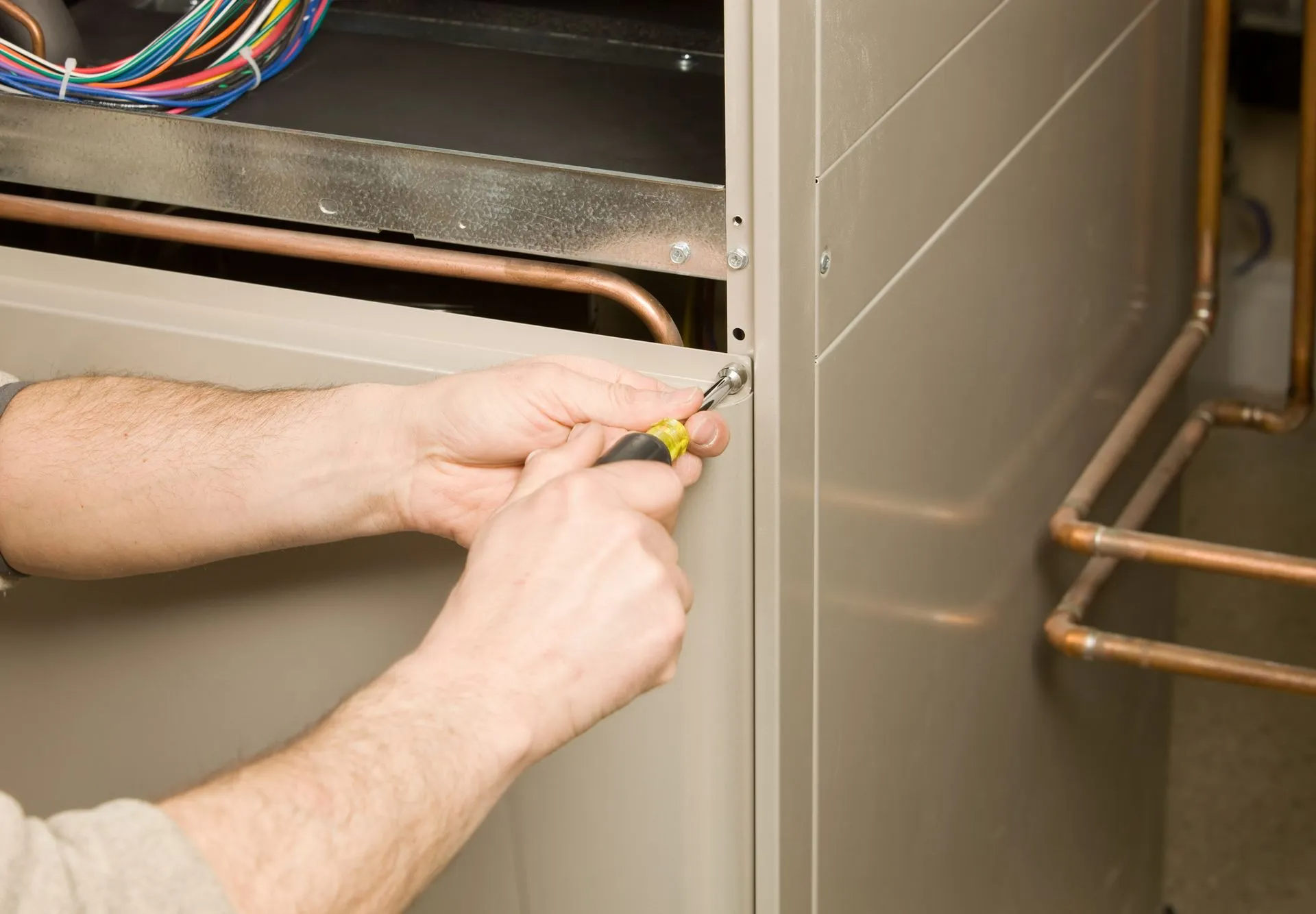
What most people don’t see is what actually happens behind the scenes during a proper furnace repair. It’s not guesswork. It’s a structured process where every component is checked, every symptom is analyzed, and every decision is made with long-term performance in mind.
This is exactly what I look for during every furnace repair call, and why that approach makes a difference.
It Starts Before I Even Touch the Furnace
Before I open the unit, I pay attention to what the homeowner is experiencing. This is one of the most overlooked parts of furnace repair, but it often provides the biggest clues.
I ask questions like:
- When did the problem start?
- Is the furnace completely off or working intermittently?
- Are there any unusual sounds or smells?
- Has your energy bill changed recently?
In homes across Orléans and Cumberland, these details help me narrow down the issue before I even begin diagnostics. A furnace that cycles on and off tells a very different story than one that won’t start at all.
This step saves time and helps keep furnace repair Ottawa costs under control.
Checking the Thermostat First
It may sound simple, but the thermostat is often the root of the problem.
I always start here because:
- Incorrect settings can mimic major furnace issues
- Wiring problems can interrupt communication
- Calibration errors can cause inconsistent heating
In many Ottawa homes, especially older ones in Rockland or Cumberland, I’ve seen thermostats cause more confusion than the furnace itself. Before diving deeper, I make sure the control system is working exactly as it should.
Inspecting Power and Electrical Components
If the thermostat checks out, I move into the electrical system. A furnace depends on a network of electrical components to operate safely and consistently.
Here’s what I look for:
- Tripped breakers or blown fuses
- Loose or damaged wiring
- Faulty control boards
- Capacitor and relay performance
Electrical issues are one of the most common reasons people search for “furnace repair near me” in Ottawa. The challenge is that these problems can appear random without proper testing.
I don’t assume anything. Every connection is checked, and every component is tested under real conditions.
Evaluating the Ignition System
If the furnace has power but isn’t producing heat, the ignition system becomes the next focus.
In gas furnaces across Orléans and Cumberland, ignition problems are extremely common. I carefully inspect:
- Igniters and pilot systems
- Flame sensors
- Gas valve operation
A dirty or failing flame sensor alone can shut down an entire furnace. It’s a small component, but it plays a major role in safety and performance.
When I handle furnace repair Ottawa calls during winter, this is often where the issue lies.
Checking Airflow and Filter Conditions
Airflow is critical to furnace performance, but it’s also one of the most neglected areas.
I always check:
- Air filters for blockages
- Blower motor performance
- Duct airflow and restrictions
In many homes across Rockland and Ottawa, clogged filters are responsible for overheating, short cycling, and reduced efficiency.
When airflow is restricted, the furnace works harder than it should. This not only increases energy costs but also puts stress on internal components, leading to more frequent repairs.
Fixing airflow issues is often one of the fastest ways to improve performance and prevent future problems.
Inspecting the Heat Exchanger
The heat exchanger is one of the most important and sensitive parts of any furnace.
During every residential furnace repair near me call, I take the time to inspect it carefully for:
- Cracks or damage
- Corrosion
- Signs of overheating
This is not just about performance. It’s about safety.
In older Ottawa homes, especially in areas like Cumberland, I pay extra attention here. A compromised heat exchanger can lead to serious issues if not addressed properly.
Analyzing Furnace Cycling Behavior
One of the most common complaints I hear is:
“My furnace keeps turning on and off.”
This is known as short cycling, and it’s something I always investigate thoroughly.
I look at:
- Thermostat communication
- Airflow restrictions
- Overheating triggers
- Sensor performance
Short cycling is more than an inconvenience. It increases wear and tear on the system and drives up energy costs. Identifying the root cause early can prevent much larger repairs down the line.
Listening for Unusual Sounds
Every furnace has a normal operating sound. When something changes, it usually means something inside the system has shifted.
I listen for:
- Banging or popping sounds
- Grinding or squealing noises
- Clicking or delayed ignition
These sounds often point to specific issues, such as loose components, motor problems, or ignition delays.
In Ottawa furnace repair work, sound is one of the most useful diagnostic tools I have.
Checking Safety Systems and Controls
Modern furnaces are equipped with multiple safety features designed to prevent dangerous situations.
I always test:
- Limit switches
- Pressure switches
- Flame sensors
- Venting systems
If any of these components fail, the furnace may shut down completely. While this can be frustrating for homeowners in Orléans or Rockland, it’s actually the system protecting itself.
My job is to identify why that safety mechanism was triggered and resolve the root issue.
Looking for Early Warning Signs
Not every repair is about fixing a complete failure. Sometimes, it’s about catching problems before they become emergencies.
During every service call, I look for:
- Worn-out components
- Signs of overheating
- Reduced efficiency
- Minor issues that could escalate
This is what separates a quick fix from a long-term solution. By identifying these early warning signs, I help homeowners avoid repeated furnace repair Ottawa calls.
How This Process Keeps Repairs Affordable
A lot of people assume that a detailed inspection means higher costs. In reality, it does the opposite.
By following a structured process, I avoid:
- Misdiagnosing the problem
- Replacing unnecessary parts
- Spending extra time on trial-and-error fixes
This is how I keep residential furnace repair near me services affordable across Ottawa, Cumberland, and Rockland.
Efficiency is what controls cost.
The Role of Furnace Maintenance in Reducing Repairs
Many of the issues I find during repairs could have been prevented with regular maintenance.
When homeowners search for “furnace maintenance Ottawa cost,” they’re often weighing whether it’s worth it. From what I see every day, it absolutely is.
Maintenance helps:
- Keep airflow consistent
- Prevent ignition issues
- Reduce wear on components
- Catch problems early
The result is fewer breakdowns, lower repair costs, and a more reliable system overall.
What Makes Furnace Repair Different Across Ottawa Areas
Every area has its own patterns when it comes to furnace issues.
In Orléans, I often see newer high-efficiency systems with electronic component issues.
In Cumberland, older systems tend to show more wear and airflow-related problems.
In Rockland, I see a mix of both, depending on the age of the home.
Understanding these patterns allows me to diagnose problems faster and deliver more effective repairs.
My Goal on Every Furnace Repair Call
Every time I step into a home, my goal is simple:
- Identify the problem quickly
- Fix it correctly the first time
- Prevent it from happening again
That’s what homeowners are really looking for when they search “best furnace repair near me” in Ottawa.
It’s not just about getting the heat back on. It’s about making sure it stays on.
Final Thoughts
Residential furnace repair in Ottawa is not about quick guesses or temporary fixes. It’s about understanding how every part of the system works together and taking the time to diagnose issues properly.
From thermostat checks to airflow analysis, electrical testing to safety inspections, every step I take is designed to deliver reliable results.
Across Orléans, Cumberland, Rockland, and Ottawa, I’ve built my approach around one principle:
The better the diagnosis, the better the repair.
And when the repair is done right, everything else becomes easier—lower costs, fewer breakdowns, and a home that stays warm when it matters most.