
Every year when fall ends and the cold starts creeping across Ottawa, I begin getting messages from homeowners in Orléans, Cumberland, and Rockland who want their HVAC systems ready for winter. And I get it — winters here aren’t just cold, they’re unpredictable, extreme, and long. One week might feel mild, and the next goes straight into a freezing storm that puts every heating system in the region under pressure.
Over the years, I’ve learned that preparing an HVAC system for an Ottawa winter isn’t just about turning on the furnace and hoping for the best. It’s a complete, step-by-step strategy. If I don’t prepare a system properly, I know it won’t survive months of heavy usage without breakdowns. That’s why when I tune, inspect, and service heating and cooling systems across Orléans, Cumberland, and Rockland, I focus on both performance and protection — making sure your home stays warm, safe, and efficient no matter how harsh the winter gets.
Here’s exactly how I prepare your HVAC system for Ottawa’s winter months.
Step 1 — I Start With a Full Furnace and Heating System Evaluation
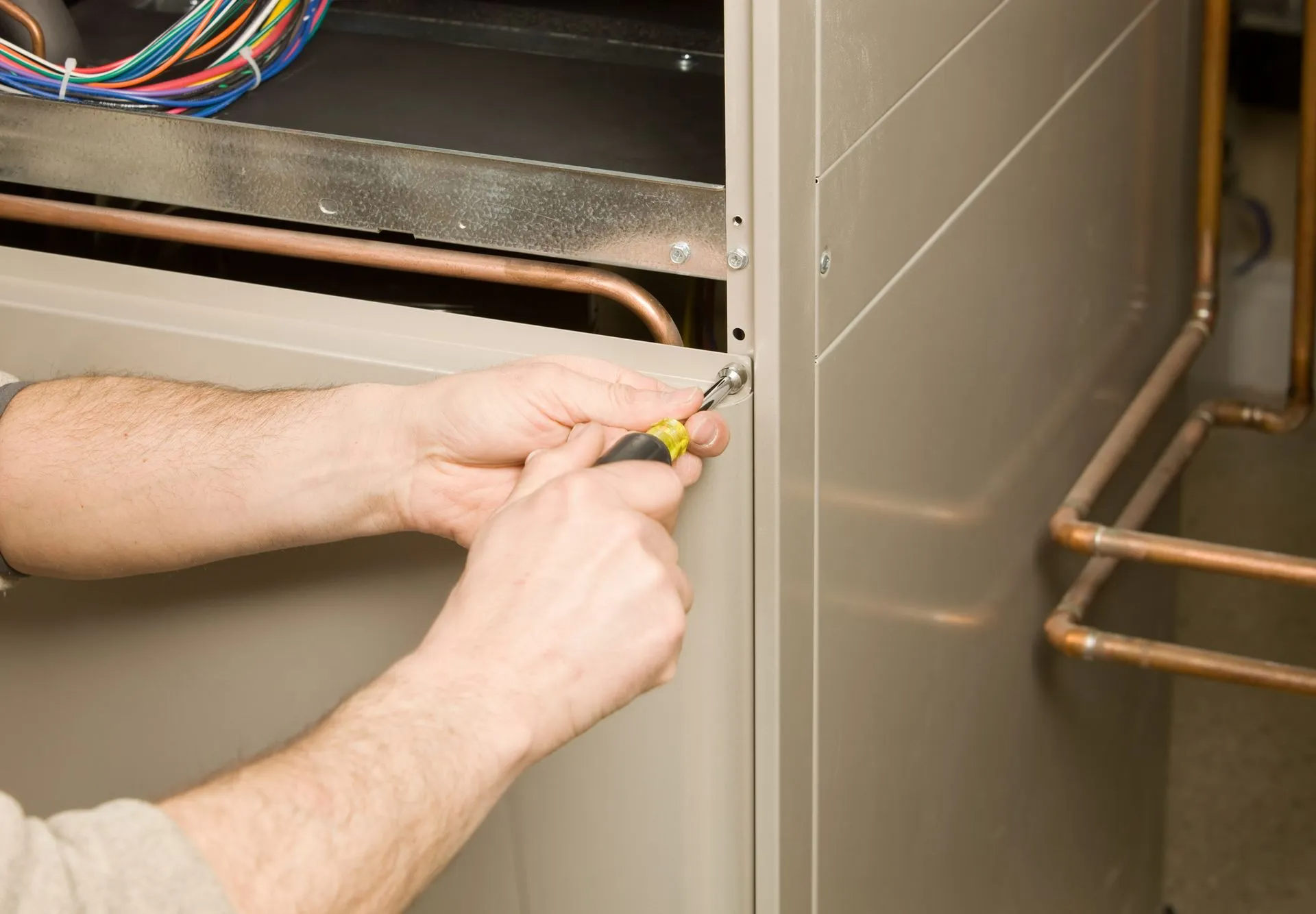
Before I do anything else, I begin with a complete assessment of your furnace. Ottawa winters push heating systems harder than any other season, so even the smallest issue can turn into a major failure during a cold front.
When I arrive at a home in Orléans or Rockland, I check:
- The ignition system
- Heat exchanger condition
- Flame sensor performance
- Burner cleanliness
- Blower motor output
- Temperature rise stability
- Limit and safety switches
- Thermostat accuracy
- Overall airflow and duct performance
Even tiny problems like a weak ignitor or a dusty flame sensor turn into emergency furnace repair calls when temperatures fall below zero. Catching these issues early keeps you from needing last-minute service during peak season.
Step 2 — I Deep-Clean the Components That Matter Most in Winter
A furnace can’t operate safely or efficiently when dust, soot, rust, or buildup interferes with ignition or airflow. One of the most important things I do while preparing an HVAC system for winter is remove every ounce of buildup from the areas homeowners never see.
This includes:
- Burners
- Ignitors
- Flame sensors
- Blower compartments
- Vents and intakes
- Drainage systems (for high-efficiency furnaces)
A clean furnace doesn’t just run better — it uses less energy, heats faster, and experiences fewer mechanical failures throughout winter. Many of the breakdowns I repair in Cumberland and Ottawa could have been prevented completely with a proper pre-winter cleaning.
Step 3 — I Test Airflow Throughout the Entire Home, Not Just at the Furnace
Heat isn’t just created — it has to move through the home properly. That’s why testing airflow is one of the most overlooked but important steps in preparing a home for winter.
I check:
- All supply vents
- All return pathways
- Pressure across the duct system
- Blower motor strength
- Airflow consistency from room to room
Homes in Orléans and Rockland often have airflow imbalances that cause:
- Uneven heating
- Cold spots
- Constant furnace cycling
- Higher heating bills
- Reduced furnace lifespan
Fixing airflow early ensures the furnace isn’t forced to work twice as hard to heat the home.
Step 4 — I Inspect and Prepare the Thermostat for Winter Performance
A furnace is only as good as the thermostat telling it what to do. Before winter, I make sure your thermostat is:
- Calibrated correctly
- Communicating consistently
- Reading temperature accurately
- Placed in the right location
- Prepared to handle winter cycling
Ottawa homeowners often think they have a furnace problem, when in reality it’s the thermostat sending inconsistent signals. A misreading of even one degree can cause huge inefficiencies during freezing temperatures.
Step 5 — I Check the Exhaust, Intake, and Outdoor Components for Winter Hazards
Cold weather brings outdoor issues that directly affect indoor heating. When I prepare HVAC systems for winter, I always check:
- Exterior intake pipes
- Exhaust venting
- Drain lines
- PVC vent angles
- Areas prone to frost or snow blockage
High-efficiency furnaces in Rockland and Cumberland commonly shut down in winter due to frozen vents — not because the furnace is damaged, but because the exterior airflow is blocked.
I make sure the outside of your system is just as ready for winter as the inside.
Step 6 — I Evaluate Your AC and Cooling System Even Though It’s Winter
Most people assume winter prep is only about the furnace, but ignoring the AC side of the system is a mistake. The AC and furnace share components, and a weakness in the cooling side can affect winter performance.
Here’s what I check:
- Condenser cleanliness
- Refrigerant line condition
- Coil cleanliness
- Drainage pathways
- Electrical connections
- Winter protection cover (if needed)
A neglected cooling system is one of the hidden reasons some heating systems struggle during Ottawa’s coldest months. Making sure both systems are stable ensures smooth year-round performance.
Step 7 — I Seal Up Air Leaks and Insulation Issues Affecting Furnace Efficiency
Preparing for winter isn’t just about the furnace — it’s about the entire environment inside your home. If warm air escapes or cold air enters, your furnace works harder than it should. That leads to higher bills and more repairs.
I check for:
- Basement drafts
- Attic insulation issues
- Window and door leaks
- Leaky return ducts
- Gaps around vents
A furnace can only perform to its potential if the home retains heat properly.
Step 8 — I Run a Full Winter-Stress Test on the Heating System
Before I leave your home in Orléans, Cumberland, or Rockland, I run the furnace under real winter conditions:
I monitor:
- Ignition sequence
- Burner combustion stability
- Temperature rise
- Blower motor behavior under load
- Cycling patterns
- Heat distribution
- Safety switch responsiveness
- Airflow pressure
- Noise levels
This “stress test” tells me exactly how your furnace will perform on the coldest nights of the year — long before those nights arrive.
Step 9 — I Replace or Tune Up the Components Most Likely to Fail in Winter
As part of winter preparation, I check for parts that often fail when the cold hits. This includes:
- Ignitors
- Flame sensors
- Limit switches
- Pressure switches
- Motor capacitors
- Drain traps
- Burner assemblies
A $40 ignition issue discovered before winter can prevent a $350 emergency repair on a minus-20 night.
Step 10 — I Give You a Winter-Ready Heating Plan
Before I leave, I give every homeowner a simple, personalized winter plan. It includes:
- How often to change your filter
- Early signs of winter failures
- How to prevent furnace short cycling
- What to check outdoors after snowfall
- When to call for service
- How to avoid overworking the system
- Energy-saving tips for Ottawa winters
This plan is tailored to your home, your system, and the challenges specific to your community — whether you’re in Orléans, Cumberland, Rockland, or anywhere else in Ottawa.
Why Winter Preparation Saves You Money All Season Long
Homeowners in Ottawa often search for things like:
- furnace repair near Orléans
- furnace maintenance Ottawa cost
- best furnace repair near me
- HVAC contractor Ottawa
Most of the expensive breakdowns I fix every winter could have been prevented with proper pre-winter preparation. When your system is ready before the cold hits, you get:
- Lower heating bills
- Faster, more consistent heat
- Fewer mechanical failures
- A longer furnace lifespan
- Better air quality
- Less strain on the HVAC system
- Peace of mind during deep freezes
Winter doesn’t “test” your furnace — it pushes it to its limits. Preparation ensures your system doesn’t buckle under pressure.
Final Thoughts
Preparing an HVAC system for Ottawa winters is more than a routine task for me — it’s one of the most important services I provide each year. Homes in Orléans, Cumberland, and Rockland face extreme temperature swings, long heating cycles, and unpredictable weather systems. Your furnace can’t just be functional — it has to be resilient.
From deep cleaning to airflow testing, electrical checks to outdoor vent inspections, and performance verification to winter stress testing, I make sure your HVAC system is ready for whatever winter throws at it.