
Most homeowners don’t think much about their HVAC system until something stops working. One day the furnace is keeping the house warm, the air conditioner is keeping everyone comfortable, and everything seems fine. Then suddenly, a furnace won’t start on a cold January morning, or an air conditioner struggles during a July heatwave.
After working on heating and cooling systems throughout Rockland, Ottawa, Cumberland, and Orléans, I’ve learned that major HVAC problems rarely happen overnight. In most cases, the system has been showing warning signs for weeks, months, or even years before a breakdown occurs.
That’s why I believe regular heating and cooling inspections are one of the smartest investments homeowners can make.
Whether someone is searching for HVAC Ottawa, furnace repair Ottawa, heating and cooling Orléans, AC maintenance near me, or HVAC contractor Ottawa, my goal during every inspection is simple:
Identify small issues before they become expensive problems.
Every inspection follows a detailed process designed to maximize efficiency, improve comfort, reduce repair costs, and extend equipment lifespan.
This is exactly what I look for during every heating and cooling inspection.
Why HVAC Inspections Matter More Than Most Homeowners Realize
Many people assume that if their system is running, everything must be fine.
Unfortunately, HVAC systems don’t always work that way.
A furnace can still produce heat while developing:
- Airflow problems
- Ignition issues
- Electrical wear
- Safety concerns
- Efficiency losses
Similarly, an air conditioner may still cool while experiencing:
- Refrigerant problems
- Dirty coils
- Electrical stress
- Restricted airflow
Without inspection, these issues often remain hidden until they create a major repair situation.
My inspections focus on finding those hidden problems before they become emergencies.
I Start by Evaluating Overall System Performance
Before opening any equipment, I begin by evaluating how the system is operating as a whole.
I look at:
- Heating performance
- Cooling performance
- Airflow quality
- Temperature consistency
- System cycling behavior
This provides valuable clues about potential issues.
For example:
If a homeowner in Rockland tells me certain rooms are colder than others, I immediately begin looking for airflow restrictions or ductwork concerns.
If a homeowner in Ottawa mentions unusually high energy bills, efficiency becomes a primary focus.
Understanding how the system behaves helps guide the entire inspection process.
I Carefully Inspect the Thermostat
The thermostat serves as the control center of the entire HVAC system.
A surprising number of heating and cooling problems originate here.
During inspections, I verify:
- Proper calibration
- Accurate temperature readings
- Programming settings
- Communication with HVAC equipment
- Smart thermostat functionality
Even small thermostat issues can lead to:
- Comfort problems
- Increased energy costs
- Excessive equipment wear
Ensuring the thermostat is operating correctly is one of the first steps in every inspection.
I Check Air Filters and Airflow Performance
Airflow is one of the most important factors affecting HVAC performance.
Unfortunately, it’s also one of the most overlooked.
Restricted airflow can cause:
- Furnace overheating
- Air conditioner inefficiency
- Poor comfort
- Higher utility bills
- Premature equipment failure
During every inspection, I evaluate:
Air Filters
Dirty filters reduce airflow and force systems to work harder.
Supply Vents
Blocked vents can create pressure imbalances.
Return Air Pathways
Proper return airflow is essential for system efficiency.
Air Distribution
I assess whether airflow is reaching all areas of the home evenly.
Airflow issues are among the most common causes of furnace repair Ottawa and AC repair Ottawa calls.
I Inspect Furnace Components Thoroughly
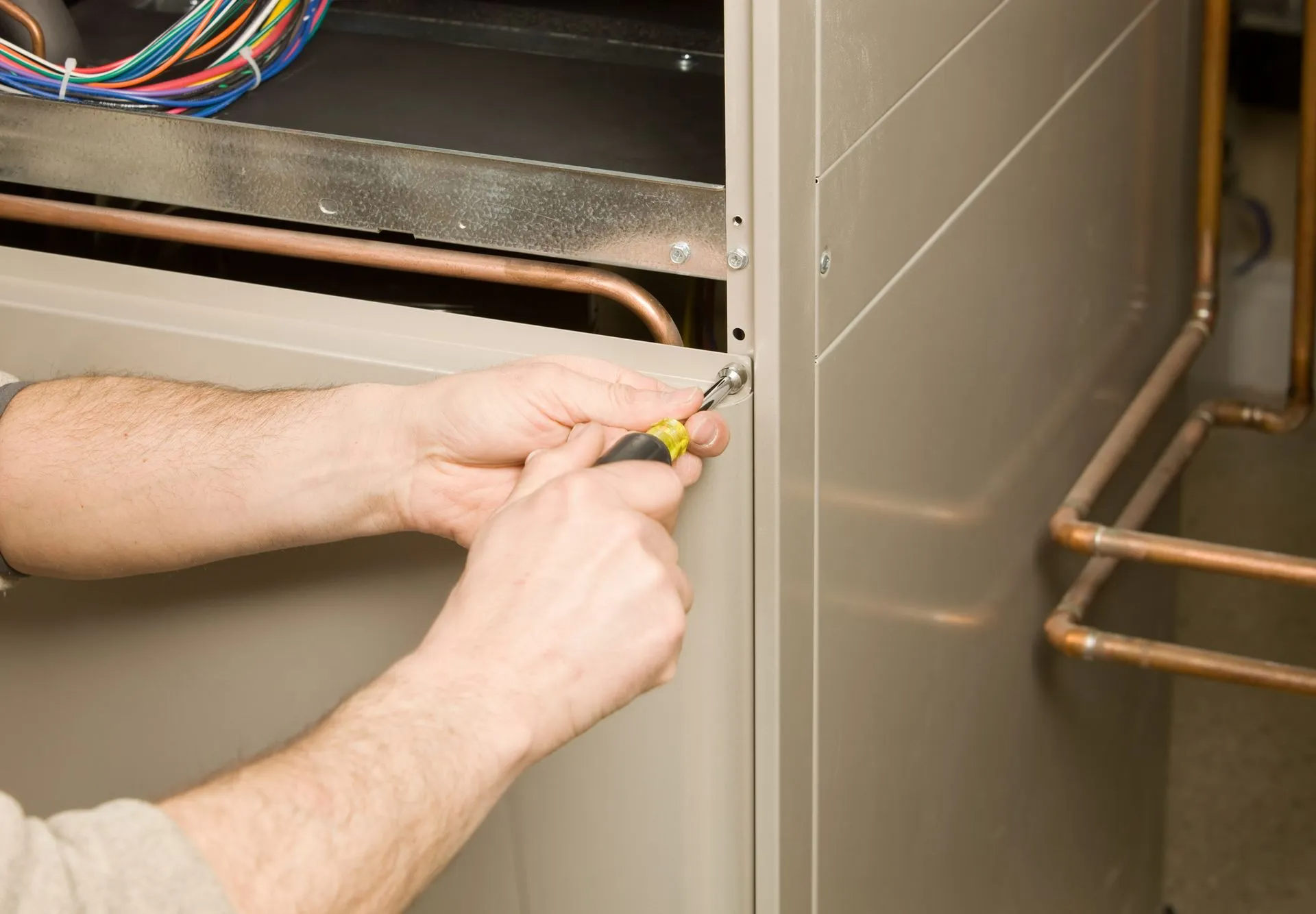
For heating systems, I conduct a detailed furnace inspection.
This includes examining:
Burners
Proper combustion is critical for efficiency and safety.
Flame Sensors
Dirty sensors are a common cause of furnace shutdowns.
Ignition Systems
Ignition issues often lead to emergency furnace repair situations.
Heat Exchangers
I look for signs of wear, stress, or damage.
Blower Assemblies
The blower plays a critical role in heat distribution.
Many homeowners searching for furnace repair near Orléans are dealing with issues that could have been identified during routine inspections.
I Test Electrical Components
Modern HVAC systems rely heavily on electrical components.
Even minor electrical issues can create major problems.
During inspections, I evaluate:
- Wiring connections
- Capacitors
- Relays
- Contactors
- Control boards
- Voltage readings
Electrical failures often develop gradually.
Identifying early signs of wear can prevent costly repairs later.
I Evaluate Safety Systems
Safety is always a top priority.
Every furnace contains multiple safety controls designed to protect both the equipment and the homeowner.
I inspect:
Limit Switches
These prevent overheating.
Pressure Switches
These ensure safe operation.
Flame Safety Devices
These monitor combustion performance.
Venting Systems
Proper venting is critical for safe furnace operation.
A system that appears to be working normally can still contain hidden safety concerns.
That’s why these inspections are so important.
I Examine Ductwork Performance
The HVAC equipment itself is only part of the system.
The ductwork plays a major role in overall performance.
During inspections, I look for:
- Air leaks
- Damaged duct sections
- Poor airflow distribution
- Pressure imbalances
- Insulation deficiencies
Many comfort complaints throughout Ottawa and Cumberland are actually caused by ductwork problems rather than equipment failures.
Addressing these issues often improves comfort significantly.
I Inspect Air Conditioning Components
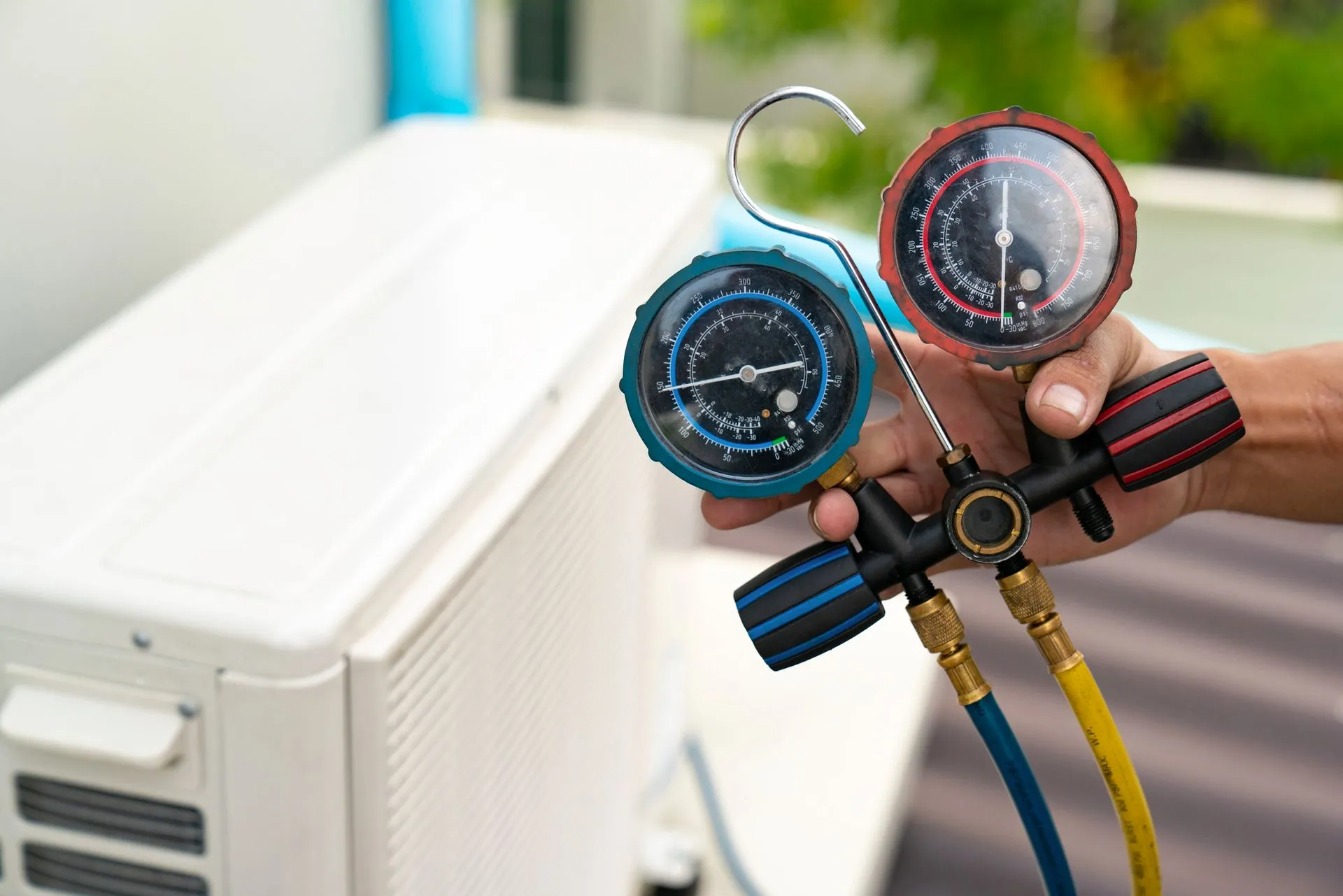
When evaluating cooling systems, I perform a comprehensive AC inspection.
This includes:
Condenser Coils
Dirty coils reduce cooling efficiency.
Refrigerant Levels
Incorrect refrigerant levels affect performance.
Compressor Function
The compressor is the heart of the cooling system.
Fan Motors
Proper airflow is essential for cooling.
Electrical Components
Many AC breakdowns originate from electrical failures.
These inspections help prevent costly AC repair Ottawa calls during peak summer months.
I Assess Energy Efficiency
Many homeowners contact me because of rising utility bills.
One of the goals of every HVAC inspection is identifying opportunities to improve efficiency.
I evaluate:
- Equipment performance
- Airflow restrictions
- System runtime
- Thermostat settings
- Maintenance requirements
Even small efficiency improvements can create meaningful savings over time.
I Look for Early Warning Signs of Equipment Failure
One of the most valuable parts of an inspection is identifying problems before they become emergencies.
I look for:
- Worn motors
- Aging capacitors
- Weak electrical components
- Airflow concerns
- Excessive vibration
- Unusual operating patterns
These warning signs often appear long before a complete breakdown occurs.
Addressing them early can save homeowners significant repair costs.
I Review Indoor Air Quality Opportunities
Today’s HVAC systems can do much more than heat and cool.
Many homeowners benefit from improvements such as:
- Enhanced filtration
- Humidification systems
- Dehumidification systems
- Air purification equipment
During inspections, I evaluate whether indoor air quality upgrades may improve overall comfort.
This is particularly valuable for families dealing with allergies or respiratory concerns.
I Evaluate Equipment Age and Long-Term Reliability
Every HVAC system eventually reaches the point where replacement becomes more practical than repair.
During inspections, I consider:
- Equipment age
- Maintenance history
- Repair frequency
- Efficiency levels
- Overall condition
This helps homeowners make informed decisions about future investments.
The goal isn’t to replace equipment unnecessarily.
The goal is to help homeowners plan ahead before major failures occur.
Why Local Experience Matters in Ottawa, Cumberland & Rockland
Every region has unique HVAC challenges.
Homes in:
- Ottawa
- Orléans
- Cumberland
- Rockland
experience specific weather conditions that place heavy demands on heating and cooling systems.
Years of local experience allow me to recognize:
- Common equipment issues
- Seasonal performance challenges
- Local construction characteristics
- Typical airflow problems
This knowledge helps me provide more accurate inspections and recommendations.
What Homeowners Gain From a Professional HVAC Inspection
A thorough heating and cooling inspection provides much more than peace of mind.
It helps homeowners:
- Reduce repair costs
- Improve comfort
- Increase efficiency
- Extend equipment lifespan
- Lower utility bills
- Prevent emergency breakdowns
Most importantly, it allows small problems to be addressed before they become expensive emergencies.
Final Thoughts
Every heating and cooling inspection I perform in Rockland, Ottawa, Cumberland, and Orléans follows one simple philosophy:
Find problems early, improve performance, and help homeowners avoid unnecessary repairs.
From furnace components and airflow systems to air conditioners, ductwork, electrical systems, and indoor air quality, every part of the HVAC system plays a role in your home’s comfort and efficiency.
The homeowners who experience the fewest breakdowns and lowest long-term HVAC costs are almost always the ones who invest in regular inspections and preventative maintenance.
Because when it comes to your heating and cooling system, the best repair is often the one you never need.