
Every winter in Orléans and Ottawa, I see the same pattern: heating systems that ran perfectly fine in October start breaking down in December, January, and February. Even the strongest furnaces begin to struggle once the temperature falls into the negatives and stays there. Ottawa winters aren’t gentle. They’re long, unpredictable, and severe — and heaters here have to work harder and longer than in many other parts of Canada.
Over the years, I’ve been called into countless homes in Orléans, Cumberland, Rockland, and across Ottawa to deal with furnace problems that could have been prevented completely. Winter doesn’t just “stress” your heating system — it exposes every weakness it has.
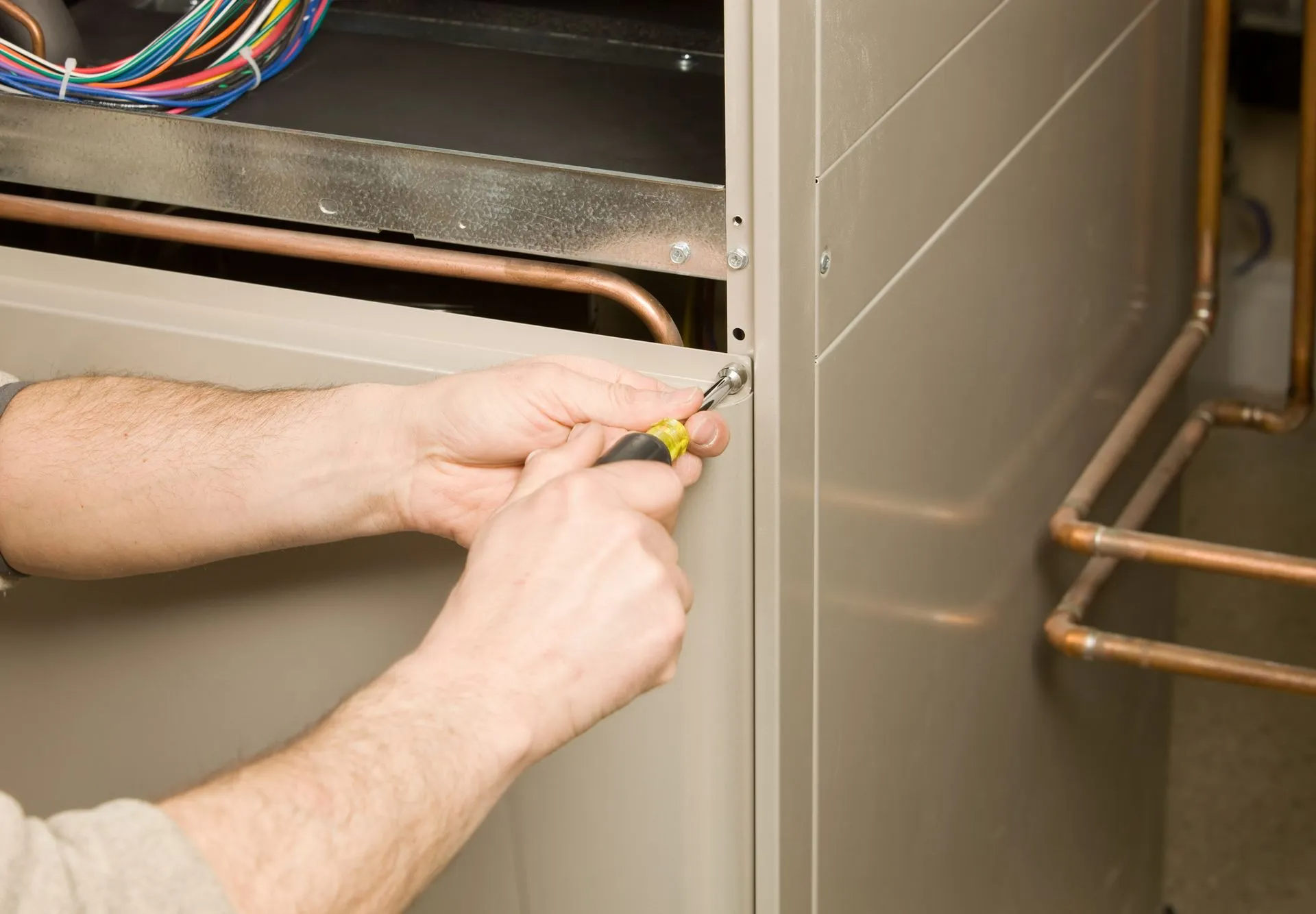
That’s why I’ve developed a very specific winter-protection process. When I prepare a furnace for winter or inspect one that’s already running during a cold spell, I’m not just checking whether it can run — I’m checking whether it can survive months of heavy, nonstop use without breaking down.
In this guide, I’m going to walk you through exactly how I protect heating systems from winter damage, why these steps matter, and what homeowners in Orléans and Ottawa should do if they want to avoid expensive repairs through the coldest months of the year.
Why Ottawa Winters Are So Hard on Heating Systems
Before I talk about how I protect your system, it helps to understand why heating systems fail in Ottawa more than almost anywhere else.
1. Extreme cold exposes weak components
Once temperatures drop below –10°C, furnaces run longer cycles. Weak ignition systems, dirty sensors, and tired blowers often fail under this stress.
2. Airflow becomes more restrictive
Cold, dense air increases pressure in your ductwork. Even small airflow issues become major problems.
3. Outdoor vents freeze or get covered in snow
High-efficiency furnaces depend on outdoor intake and exhaust piping. Snowstorms and drifting snow regularly block these vents.
4. Condensation freezes inside pipes and drains
High-efficiency systems generate condensation. When it freezes, the furnace shuts down.
5. Long runtime accelerates wear
During Ottawa’s coldest stretches, furnaces sometimes run for hours with almost no break, pushing every mechanical and electrical component to its limits.
Everything I do to protect a heating system is based on this reality — Ottawa winters are unforgiving, and a furnace must be ready for the worst before that cold hits.
Step 1 — I Start With a Full Exhaust and Intake Vent Inspection
This is the first thing I check on any high-efficiency furnace in Orléans and Ottawa, especially once winter arrives.
Why this matters:
Snow, frost, and ice buildup are the most common winter failure points.
A blocked intake or exhaust pipe triggers:
- Ignition failure
- Pressure switch shutdown
- Flame loss
- Full furnace lockout
- Condensation flooding
What I do:
- Clear snow around both vents
- Remove frost and ice rings around the pipe edge
- Melt internal vent ice if needed
- Check for condensation buildup
- Verify airflow and pressure stability
- Correct any vent angle issues causing freezing
If a furnace shuts down during a snowstorm, venting is the first thing I check — because winter weather doesn’t forgive poor airflow.
Step 2 — I Protect the Furnace From Overheating (A Silent Winter Killer)
Overheating is one of the most destructive winter problems.
When a furnace overheats, it:
- Shuts off abruptly
- Stresses the heat exchanger
- Damages the blower motor
- Strains electrical components
- Causes temperature swings
- Wastes energy
Why overheating happens more in winter:
- Cold air makes the furnace run longer
- Filters clog faster
- Airflow drops due to high static pressure
- Blocked returns reduce circulation
- Closed vents increase internal heat
How I prevent it:
- Clean and check the blower assembly
- Ensure proper blower speed and balance
- Fix airflow restrictions
- Inspect and clean the heat exchanger
- Check all high-limit safety switches
- Verify temperature rise is within safe range
Preventing overheating protects the most expensive component in your furnace — the heat exchanger.
Step 3 — I Stabilize Ignition and Combustion for Deep-Freeze Conditions
Ignition problems spike dramatically during Ottawa winters.
When the temperature drops, furnaces often struggle with:
- Delayed ignition
- Weak flame signals
- Burner contamination
- Moisture interfering with the ignitor
- Flame sensor inconsistencies
How I protect ignition systems:
- Clean and polish the flame sensor
- Inspect ignitor strength and glow timing
- Clean burner assemblies
- Test gas flow and pressure stability
- Remove rust, soot, and debris
- Check ignition cycle timing
A smooth ignition process is the foundation of reliable winter heating — without it, your furnace stops when you need it most.
Step 4 — I Strengthen Airflow for Winter Performance
Airflow problems aren’t just inconvenient — they’re dangerous in winter.
A furnace that can’t move air properly will:
- Overheat
- Shut down repeatedly
- Heat unevenly
- Struggle to reach temperature
- Waste energy
- Fail prematurely
I check airflow from every angle, including:
The filter
Winter airflow demands mean filters clog faster than in summer.
The blower motor
I check for:
- Weak startup
- Motor strain
- Bearing noise
- Overheating
- Incorrect speeds
The blower wheel
Dust buildup reduces airflow massively.
The return ducts
Blocked or undersized returns choke the furnace.
The supply ducts
Obstructed or closed vents create enormous pressure.
Static pressure
I measure how much resistance the furnace is pushing against — this is a key winter metric.
Why airflow matters in Ottawa:
Weak airflow is the number one reason furnaces in our region overheat, shut down, and fail during deep freezes.
Step 5 — I Reinforce the Condensate Drain System (Critical for High-Efficiency Furnaces)
High-efficiency furnaces produce condensation.
In Ottawa winter conditions, that water can and does freeze.
Common winter issues:
- Frozen condensate traps
- Blocked drain lines
- Ice blockages near the vent
- Water backups inside the furnace
- A furnace shutting down to protect itself
What I do:
- Clean the condensate trap
- Flush drain lines
- Ensure proper slope for drainage
- Clear any ice forming outside
- Check for internal pooling
- Verify pump function if you have one
Most homeowners have no idea their drain system is the reason their furnace keeps shutting off during winter — but I see this constantly.
Step 6 — I Protect the System Against Short Cycling (Winter’s Silent Enemy)
Short cycling is when the furnace turns on and off repeatedly without completing a full heating cycle.
This destroys a furnace faster than almost anything else.
Why it happens more in winter:
- Overheating
- Poor airflow
- Vent blockages
- Thermostat misreads
- Pressure switch malfunctions
- Heat exchanger stress
- Undersized ductwork
My prevention process:
- Correct airflow restrictions
- Fix thermostat placement or calibration
- Inspect flame sensor function
- Test pressure switch timing
- Ensure full ignition-to-shutdown stability
- Clean internal components
- Adjust temperature rise settings
Stopping short cycling protects your furnace from early breakdown.
Step 7 — I Inspect Ductwork for Heat Loss and Pressure Problems
Your furnace may be perfect — but your duct system may be the reason your home struggles to warm up.
Winter exposes duct problems dramatically.
I check for:
- Leaky joints
- Uninsulated ducts
- Pressure imbalances
- Closed or obstructed vents
- Hot and cold zones
- Long duct runs losing heat
- Basement duct systems pulling cold air
When ducts leak or lose heat, the furnace works twice as hard — and winter amplifies the failure.
How I fix this:
- Seal ducts where needed
- Adjust dampers
- Balance airflow
- Improve insulation on problem areas
- Reposition supply vents if needed
Every improvement reduces furnace strain and protects your system.
Step 8 — I Verify Thermostat Accuracy During Cold Weather
Thermostats behave differently in winter — especially during Ottawa cold snaps.
Common thermostat problems I find:
- Misreading room temperature
- Shutting off the furnace too early
- Calling for heat too often
- Poor placement near drafts or cold walls
- Batteries weakening in low temperatures
- Bad communication with the control board
What I do:
- Test thermostat voltage
- Recalibrate temperature readings
- Look for placement issues
- Check communication wiring
- Verify staging on multi-stage systems
A poorly performing thermostat can make the furnace behave erratically, overheat, or fail.
Step 9 — I Perform a Full Winter Stress Test
Once everything is inspected and tuned, I run the furnace through a complete winter stress test.
This simulates deep-freeze operation to confirm the system can:
- Start consistently
- Burn clean and stable
- Produce strong heat output
- Maintain temperature rise
- Move air effectively
- Avoid overheating
- Avoid short cycling
- Operate safely and quietly
If the furnace performs well under winter stress, it will perform well all season long.
Final Thoughts
Protecting a heating system from winter damage in Orléans and Ottawa isn’t a quick inspection — it’s a detailed, thorough, systematic process based on experience and the realities of our climate.
Winter exposes weaknesses fast.
And once temperatures drop, your furnace doesn’t get a break.
By:
- Clearing and checking vents
- Preventing overheating
- Cleaning and stabilizing ignition
- Strengthening airflow
- Securing drainage
- Stopping short cycling
- Improving duct performance
- Verifying thermostat accuracy
- Running winter stress tests
I can protect your heating system and keep it running safely and reliably through every snowstorm, cold snap, and long winter night.