
When a homeowner in Cumberland calls me about a noisy furnace, the concern is almost always the same:
“It’s still working… but it doesn’t sound right.”
That’s one of the most important moments to take action.
Because in my experience serving homes across Cumberland, Orléans ON, Rockland, and Ottawa, furnace noise is rarely random. Unusual sounds are often the furnace’s first warning sign that something is wearing down, becoming loose, or heading toward a bigger failure.
That’s why so many homeowners begin searching for phrases like:
- small furnace repair near me
- residential furnace repair near me
- furnace repair Ottawa
- furnace repair near Orléans
- best furnace repair near me
- cheap furnace repair near me
A furnace that suddenly starts making new noises is often the start of a repair issue — not the end of one.
In this blog, I’m going to explain exactly how I diagnose furnace noise complaints in Cumberland, what different sounds usually mean, and how catching these problems early can prevent major repairs in the middle of winter.
Why Furnace Noises Should Never Be Ignored in Cumberland Winters
Cumberland winters are demanding. Furnaces run for long hours every day, especially during Ottawa cold snaps when temperatures drop well below freezing.
That constant workload creates natural wear over time. Small components loosen. Motors strain. Airflow becomes restricted. And often, the first sign homeowners notice is noise.
Furnace noise complaints matter because they often appear before:
- full breakdowns
- emergency shutdowns
- expensive part failures
- unsafe operating conditions
If a furnace sounds different than it did last season, it’s worth investigating immediately.
That’s how small furnace repair near me problems stay small.
Step One: I Identify the Type of Furnace Noise
When diagnosing a furnace noise complaint, the first thing I do is determine what kind of sound the homeowner is hearing.
Different sounds usually point to different causes.
The most common noise categories I hear about in Cumberland include:
- rattling
- banging
- squealing
- humming
- whistling
- clicking
- booming at ignition
Each one tells a different story.
Noise diagnosis is not guesswork — it’s pattern recognition built through experience.
Rattling Noises: Loose Panels or Internal Vibration
A rattling furnace is one of the most common complaints I receive during residential furnace repair near me calls.
In many Cumberland homes, rattling is caused by:
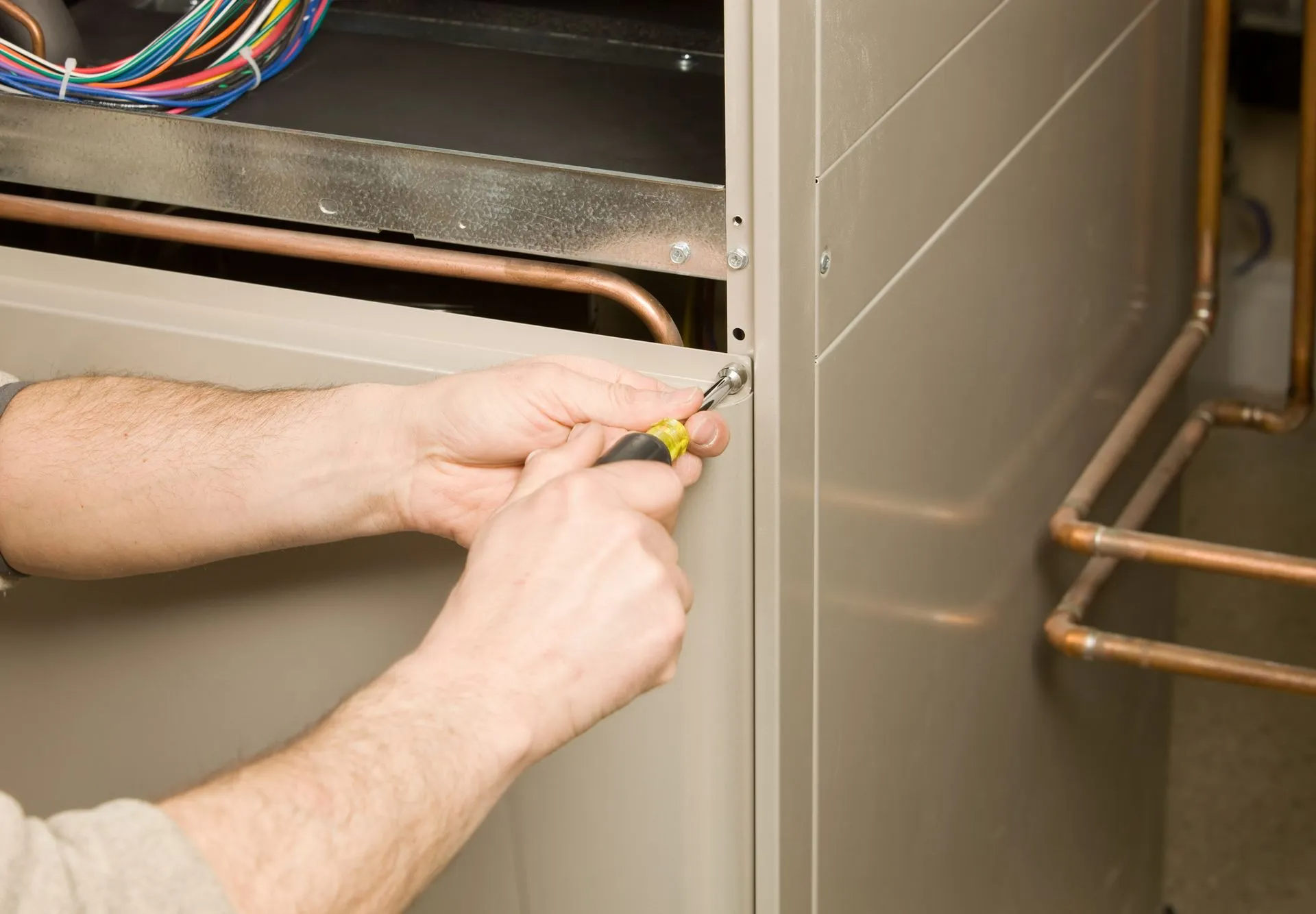
- loose access panels
- unsecured ductwork
- minor vibration from blower operation
- screws loosening over time
While rattling may sound minor, it can become worse if vibration continues.
I always inspect and secure components early because constant vibration can lead to deeper mechanical wear.
Banging Sounds: Airflow Imbalance or Duct Expansion
Banging noises often alarm homeowners the most.
A furnace that bangs during startup or shutdown can be experiencing:
- duct expansion and contraction
- delayed ignition issues
- airflow pressure imbalance
- loose blower components
In Ottawa winters, ductwork experiences extreme temperature changes, and expansion noises are common — but they still need evaluation to ensure safety.
If banging is linked to ignition delay, it can become a serious repair issue quickly.
Squealing or Screeching: Blower Motor Strain
A high-pitched squeal is often connected to blower motor problems.
Common causes include:
- worn motor bearings
- belt issues in older systems
- blower wheel imbalance
- increased strain from restricted airflow
Blower motor repairs are among the most frequent furnace repair Ottawa service needs because the blower works constantly during winter.
Catching squealing early can prevent complete blower failure later.
Humming or Buzzing: Electrical or Motor Issues
A furnace that hums loudly or buzzes may be experiencing:
- capacitor problems
- electrical relay strain
- motor overload
- control board vibration
Electrical noise should always be addressed quickly because it can signal components working harder than they should.
This is one of the reasons homeowners search best furnace repair near me — electrical issues can escalate fast if ignored.
Whistling Sounds: Airflow Restriction or Filter Issues
Whistling noises are often linked to airflow problems.
The most common causes include:
- clogged air filters
- blocked return vents
- duct pressure imbalance
- undersized airflow pathways
Airflow restriction is one of the leading causes of furnace overheating shutdowns.
Many small furnace repair near me calls begin with something as simple as a filter issue that causes airflow strain and noise.
Clicking Noises: Ignition or Relay Activity
Clicking sounds can occur during normal startup, but excessive clicking may indicate:
- ignition attempts failing
- gas valve cycling repeatedly
- control relays struggling
- flame sensor issues
If a furnace is clicking repeatedly without fully heating, it may be heading toward shutdown.
This is one of the most common early warning signs I catch during furnace repair near Orléans and Cumberland service calls.
Booming at Ignition: Delayed Ignition Repairs
One of the most serious furnace noises is a booming sound when the furnace ignites.
This can be caused by:
- delayed ignition
- dirty burners
- improper gas-air mixture
- ignition system wear
Delayed ignition should never be ignored. It can worsen quickly and requires professional diagnosis.
In Cumberland winters, ignition reliability is essential, and booming noises often indicate a repair is needed soon.
My Diagnostic Process for Furnace Noise Complaints
When I respond to a furnace noise complaint, I follow a structured process to identify the root cause quickly.
Step 1: Confirm When the Noise Happens
I ask whether the sound occurs:
- at startup
- during steady heating
- at shutdown
- randomly throughout the cycle
Timing provides major diagnostic clues.
Step 2: Inspect Airflow and Filters Immediately
Airflow issues are one of the most common causes of noise and overheating.
A clogged filter can create whistling, strain the blower, and trigger cycling problems.
Airflow checks are always early in the process.
Step 3: Evaluate Blower Assembly Performance
I inspect the blower wheel and motor for:
- imbalance
- wear
- looseness
- unusual vibration
Blower issues are among the most frequent major furnace repairs, so catching them early matters.
Step 4: Check Ignition and Burner Operation
If noise is tied to startup, I inspect:
- ignition sequence
- burner cleanliness
- flame stability
- sensor response
Startup noise often signals ignition-related repairs.
Step 5: Inspect Venting and Pressure Switch Safety
Venting problems can create airflow noise and shutdown risks, especially during Ottawa winters when ice buildup is possible.
Safe venting is essential for reliable furnace operation.
Why Early Noise Diagnosis Prevents Major Repairs
Homeowners searching cheap furnace repair near me often want affordability.
The truth is:
The most affordable repair is the one caught early.
Noise complaints often reveal problems before they become emergencies, preventing:
- blower motor failure
- ignition breakdowns
- overheating shutdowns
- expensive winter emergency calls
That’s why addressing furnace noise early is one of the smartest things Cumberland homeowners can do.
Serving Cumberland, Ottawa, Orléans, and Rockland With Reliable Furnace Care
Furnace noises are never something to ignore, especially during Ottawa winters.
That’s why I provide trusted furnace repair support across:
- Cumberland
- Ottawa
- Orléans ON
- Rockland
Whether it’s a small furnace noise complaint or a developing repair issue, diagnosing it early keeps homes warm and systems reliable.
Final Thoughts: Furnace Noise Is the Furnace Asking for Attention
A furnace doesn’t usually fail without warning.
Noise is often the first sign.
Rattling, banging, squealing, humming, or whistling may seem minor — but they often signal wear that can turn into major repairs if ignored.
If you’re hearing new furnace noises in Cumberland, the best time to address them is now, before winter forces an emergency furnace repair Ottawa situation.
Because small problems caught early are always easier, safer, and more affordable to fix.