
For most businesses, heating and cooling are viewed as necessary operating expenses. The HVAC system keeps employees comfortable, customers happy, and equipment operating properly, so the monthly utility bill simply becomes another cost of doing business.
But after working with commercial properties throughout Ottawa, Rockland, Orléans, and Cumberland, I’ve learned something important: many businesses are spending far more on their HVAC systems than they need to.
High operating costs are rarely caused by one major problem. Instead, they usually result from a combination of small inefficiencies that build over time. Dirty coils, restricted airflow, aging equipment, poor thermostat programming, neglected maintenance, and minor mechanical issues all force commercial HVAC systems to work harder than necessary.
The good news is that many of these issues can be corrected before they become expensive repairs or lead to unnecessary energy consumption.
Whether a business contacts me after searching for Commercial HVAC companies Ottawa, HVAC contractor Ottawa, Commercial rooftop service, HVAC Ottawa, or Heating and Cooling Ottawa, my objective is always the same: improve performance while reducing long-term operating costs.
This is exactly how I help businesses lower their commercial HVAC expenses without sacrificing comfort or reliability.
Why Commercial HVAC Costs Continue to Increase
Commercial HVAC systems operate under much greater demands than residential systems.
Unlike homes, many commercial buildings require heating and cooling for:
- Long business hours
- Large open spaces
- Multiple offices
- Warehouses
- Restaurants
- Medical facilities
- Retail stores
- Industrial buildings
Some rooftop HVAC units operate 10 to 16 hours every day, while others run almost continuously.
Over time this leads to:
- Increased equipment wear
- Higher electricity consumption
- Greater maintenance requirements
- Reduced efficiency
If these systems aren’t maintained properly, operating costs continue to climb every year.
Every Cost-Reduction Plan Starts With a Complete HVAC Assessment
Before recommending any changes, I first want to understand how the building’s HVAC system is performing.
I evaluate:
- Equipment age
- Heating performance
- Cooling performance
- Utility consumption
- Airflow
- Building occupancy
- Operating schedules
- Maintenance history
- Existing controls
Every commercial property is different.
A warehouse in Rockland has different HVAC requirements than an office building in Ottawa or a retail store in Orléans.
Understanding how the building operates allows me to identify opportunities for meaningful savings.
Preventative Maintenance Is the Foundation of Lower Operating Costs
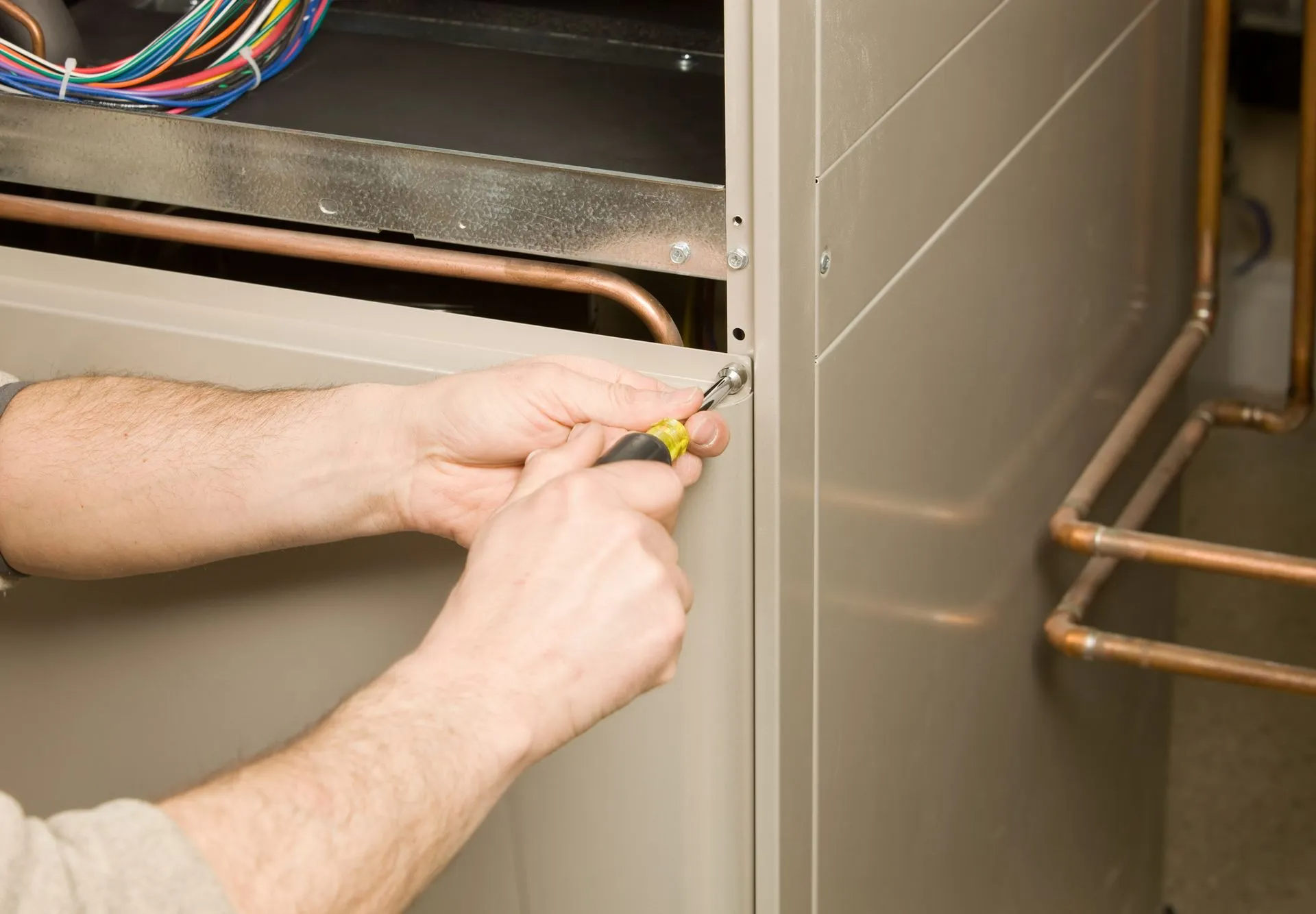
The single biggest way I help businesses reduce HVAC expenses is through preventative maintenance.
Many costly repairs begin as relatively minor issues.
During routine maintenance, I inspect:
- Compressors
- Fan motors
- Belts
- Bearings
- Electrical connections
- Refrigerant levels
- Thermostats
- Filters
- Condenser coils
- Evaporator coils
Finding these problems early prevents emergency repairs that are significantly more expensive than routine service.
Businesses that invest in maintenance generally experience:
- Fewer breakdowns
- Lower repair costs
- Longer equipment life
- Better energy efficiency
Clean HVAC Equipment Uses Less Energy
One of the most overlooked causes of high HVAC operating costs is dirty equipment.
Over time, rooftop units accumulate:
- Dust
- Dirt
- Leaves
- Grass
- Pollen
- Debris
Dirty condenser coils reduce the system’s ability to reject heat.
Dirty evaporator coils reduce cooling performance.
As a result, the equipment runs longer while consuming more electricity.
Keeping these components clean allows the system to operate much more efficiently.
Airflow Has a Direct Impact on Utility Bills
Airflow problems are extremely common in commercial buildings.
During inspections, I evaluate:
- Supply airflow
- Return airflow
- Ductwork condition
- Blower performance
- Air balancing
- Vent obstructions
Poor airflow forces HVAC equipment to work much harder.
The result is:
- Higher electrical consumption
- Reduced comfort
- Greater equipment wear
- Increased repair frequency
Optimizing airflow often produces noticeable improvements in both comfort and operating costs.
I Evaluate HVAC Controls and Thermostat Programming
Many commercial buildings waste energy simply because their HVAC controls aren’t optimized.
I review:
- Temperature schedules
- Occupancy settings
- Start and stop times
- Weekend programming
- Seasonal adjustments
It’s surprisingly common to find systems heating or cooling buildings when no one is there.
Proper scheduling alone can significantly reduce annual utility costs without affecting employee comfort.
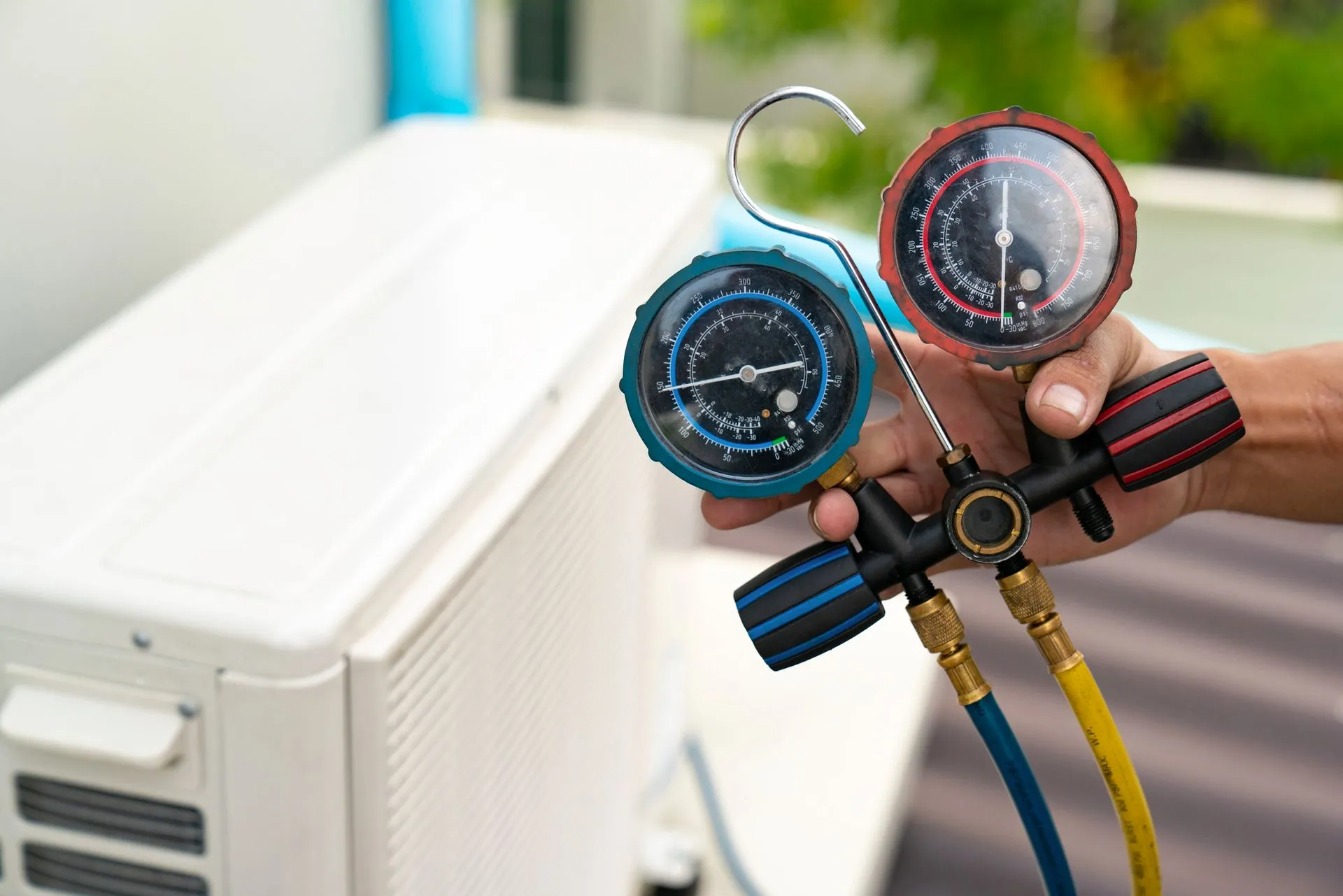
Commercial Rooftop Units Need Regular Performance Testing
Most businesses depend on rooftop HVAC equipment.
During maintenance, I carefully evaluate:
Compressors
The compressor is one of the most expensive components in the system.
Fan Motors
Reliable airflow is critical for efficiency.
Refrigerant Levels
Incorrect refrigerant charge reduces cooling performance while increasing operating costs.
Electrical Components
Weak capacitors, worn contactors, and loose wiring increase failure risk.
Routine testing helps identify declining performance before it affects the business.
I Help Businesses Reduce Emergency HVAC Repairs
Unexpected HVAC failures create more than repair costs.
They can also lead to:
- Lost productivity
- Customer discomfort
- Equipment downtime
- Employee complaints
- Interrupted operations
Preventative maintenance dramatically reduces the likelihood of these unexpected situations.
My goal is always to keep businesses operating without HVAC-related interruptions.
Energy-Efficient Equipment Can Produce Long-Term Savings
Older commercial HVAC equipment often consumes significantly more energy than modern systems.
When evaluating aging equipment, I consider:
- Repair history
- Operating efficiency
- Utility costs
- Equipment condition
- Remaining service life
Sometimes continued maintenance makes the most financial sense.
Other times, upgrading to newer high-efficiency rooftop equipment provides much greater long-term savings.
Every recommendation is based on actual operating costs—not equipment age alone.
Indoor Air Quality Affects Business Performance
Commercial HVAC systems do more than control temperature.
They also influence indoor air quality.
Poor air quality can contribute to:
- Employee discomfort
- Increased dust
- Poor ventilation
- Customer dissatisfaction
During inspections, I evaluate:
- Air filtration
- Ventilation performance
- Humidity levels
- Air circulation
Cleaner indoor air often improves overall workplace comfort while supporting HVAC efficiency.
I Monitor Equipment Before Major Components Fail
Many expensive HVAC repairs can be avoided through routine inspections.
I look for:
- Motor wear
- Bearing deterioration
- Electrical stress
- Refrigerant concerns
- Belt wear
- Vibration
- Unusual operating patterns
Identifying these issues early allows businesses to plan repairs instead of reacting to unexpected failures.
Planned maintenance is almost always more affordable than emergency service.
Seasonal Maintenance Keeps Operating Costs Under Control
Commercial HVAC systems face different challenges throughout the year.
Spring
Preparing cooling systems before summer demand.
Summer
Monitoring cooling performance during peak operation.
Fall
Preparing heating systems for Ottawa winters.
Winter
Maintaining reliable heating during extreme temperatures.
Seasonal maintenance ensures rooftop equipment remains efficient throughout every season.
Why Building Automation Matters
Many modern commercial buildings use automation systems to control HVAC performance.
When properly configured, these systems can:
- Reduce unnecessary runtime
- Improve temperature consistency
- Lower utility costs
- Optimize equipment performance
Even small programming adjustments can generate meaningful annual savings.
Why Local Experience Makes a Difference
Commercial properties throughout Ottawa, Rockland, Orléans, and Cumberland face unique HVAC challenges.
Local weather includes:
- Long heating seasons
- Humid summers
- Sudden temperature swings
- Heavy rooftop equipment workloads
Because I work on commercial HVAC systems throughout these communities, I understand how local climate affects system performance.
This allows me to develop maintenance strategies specifically suited to our region.
Common Warning Signs Businesses Should Never Ignore
I encourage property owners and facility managers to contact me if they notice:
- Rising energy bills
- Uneven temperatures
- Poor airflow
- Loud rooftop equipment
- Frequent system cycling
- Employee comfort complaints
- Inconsistent heating or cooling
These symptoms often indicate developing problems that can be resolved before they become expensive repairs.
My Goal Is Long-Term Cost Control
Every recommendation I make focuses on reducing total ownership costs.
That means helping businesses achieve:
- Lower utility bills
- Fewer emergency repairs
- Improved equipment reliability
- Longer HVAC lifespan
- Better occupant comfort
- Predictable maintenance costs
Reducing HVAC expenses isn’t about cutting corners.
It’s about helping the entire system operate the way it was designed to.
Final Thoughts
Commercial HVAC systems are one of the largest operating expenses for many businesses, but they also present one of the greatest opportunities for long-term savings. Through preventative maintenance, airflow optimization, equipment inspections, smarter controls, energy-efficient upgrades, and proactive repairs, businesses can significantly reduce operating costs while improving comfort and reliability.
Across Ottawa, Rockland, Orléans, and Cumberland, I help business owners protect their HVAC investment by focusing on efficiency, performance, and long-term value rather than short-term fixes.
Whether your commercial property relies on rooftop HVAC units, packaged systems, boilers, or a combination of heating and cooling equipment, my goal is always the same:
Keep your HVAC system running efficiently, reduce unnecessary operating costs, prevent unexpected downtime, and help your business get the maximum return from its HVAC investment for years to come.