
Older Ottawa neighbourhoods have a character you don’t find in newer developments. From established communities like Vanier, Alta Vista, Gloucester, Beacon Hill, and parts of central Ottawa, these homes were built during a time when heating expectations, construction methods, and insulation standards were very different from today.
I work in older Ottawa homes every winter, and I can tell you this with certainty: heating problems in these neighbourhoods follow patterns that simply don’t exist in newer builds. Furnaces aren’t just dealing with cold weather — they’re fighting decades of changes, retrofits, partial upgrades, aging duct systems, and building designs that were never meant to support modern heating demands.
When a homeowner in an older Ottawa neighbourhood tells me their furnace “just can’t keep up,” I never approach it like a standard service call. These homes require a different diagnostic mindset — one that accounts for how heat actually moves through an older structure.
In this blog, I’ll walk you through how I diagnose heating issues unique to older Ottawa neighbourhoods, what problems I see most often, and why a surface-level fix rarely solves the real issue.
Why Older Ottawa Homes Behave Differently in Winter
Older Ottawa homes weren’t built with today’s insulation materials, airflow calculations, or HVAC expectations. Even if the furnace itself is newer, the home it’s heating often isn’t.
Here’s what makes these neighbourhoods different:
- Original ductwork designed for older heating systems
- Smaller or poorly placed return air vents
- Walls with limited or inconsistent insulation
- Basements that act as cold air sinks
- Additions and renovations that disrupt airflow
- Aging windows and doors that leak heat
- Long vertical layouts that trap heat upstairs
- Narrow duct runs hidden behind walls
All of this means that heating issues in older Ottawa homes are rarely caused by a single failing part. They’re almost always the result of how the system interacts with the structure itself.
My First Step: I Diagnose the House Before Blaming the Furnace
One of the biggest mistakes people make with older homes is assuming the furnace is the problem.
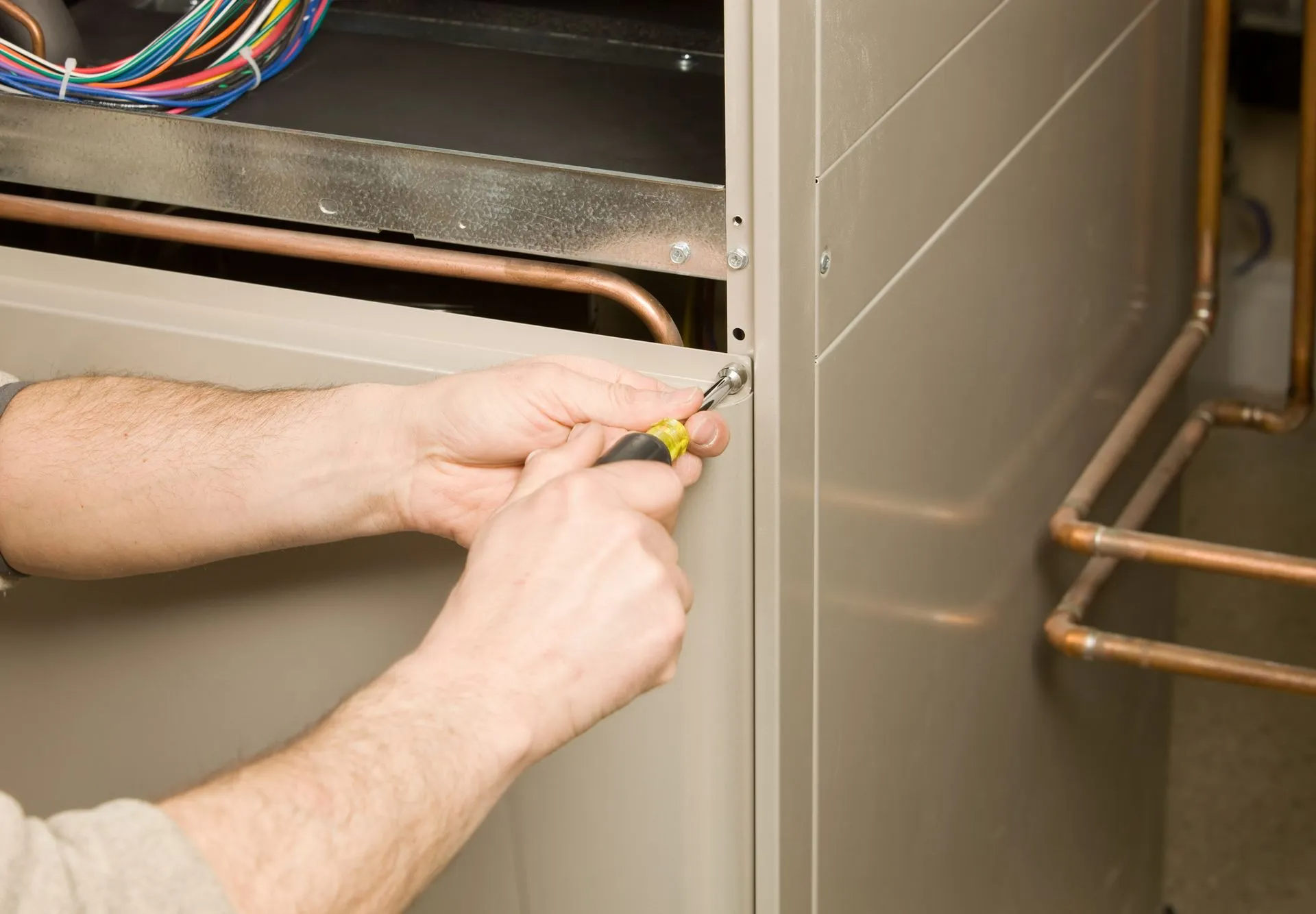
When I arrive at an older Ottawa property, I don’t start by opening the furnace cabinet. I start by understanding how the house behaves in winter.
I look for clues like:
- Which rooms feel cold
- Which rooms overheat
- Whether the basement feels noticeably colder
- How quickly the home loses heat
- Whether the furnace runs constantly or cycles often
Older homes tell a story through temperature patterns — and those patterns guide every decision I make.
1. Legacy Ductwork That Restricts Modern Airflow
Older Ottawa homes were designed around much smaller heating systems. The original ductwork often wasn’t meant to move the volume of air modern furnaces produce.
Common duct issues I find
- Narrow supply ducts that restrict airflow
- Undersized or missing return ducts
- Long duct runs with multiple sharp turns
- Ducts hidden behind walls that were never upgraded
- Basement ductwork pulling in cold air
Why this causes heating problems
When airflow is restricted, the furnace overheats internally, shuts down prematurely, or runs longer than necessary — all while the home stays cold.
How I diagnose it
I measure airflow, check static pressure, assess duct layout, and identify bottlenecks. In older homes, airflow imbalance is one of the biggest hidden causes of heating failure.
2. Poor Return Air Design (A Major Issue in Older Homes)
Many older Ottawa homes simply don’t have enough return air.
Some have:
- A single return vent for the entire house
- Returns located only on one floor
- Returns blocked by renovations or furniture
- Returns placed in areas that trap cold air
Why this matters
A furnace can’t heat air it can’t pull back into the system. Poor return airflow causes:
- Weak heat delivery
- Overheating
- Short cycling
- Loud airflow noise
- Furnace strain
What I do
I locate return restrictions, identify pressure imbalances, and determine whether airflow pathways are working as intended — something that’s especially critical in multi-level older homes.
3. Cold Basements Stealing Heat From the Living Space
Basements in older Ottawa homes often act like heat sinks.
Because of:
- Poor insulation
- Exposed foundation walls
- Cold concrete floors
- Leaky rim joists
Warm air naturally sinks downward, pulling heat away from living areas.
Symptoms homeowners notice
- Main floor feels cold
- Furnace runs constantly
- Basement remains cold no matter what
- Upstairs overheats while downstairs stays chilly
How I diagnose it
I measure temperature differences between floors, inspect return air placement, and assess how heat is being distributed vertically. If the basement is stealing heat, the furnace will never catch up.
4. Renovations That Disrupt Original Heating Design
Many older Ottawa homes have been renovated — sometimes multiple times over decades.
Problems renovations often introduce
- Walls added without adjusting ductwork
- Finished basements with no added returns
- Closed-off rooms with no airflow
- Relocated vents that reduce circulation
- Added insulation in some areas but not others
Why this causes heating issues
The furnace may be fine — but airflow no longer matches the home’s layout.
My approach
I evaluate how renovations changed airflow paths and identify where heat is no longer reaching properly. Older homes often need airflow rebalancing rather than furnace replacement.
5. Aging Windows and Doors Creating Hidden Heat Loss
In older Ottawa neighbourhoods, original or aging windows are a major contributor to heating problems.
Why this matters
Cold air infiltration forces the furnace to run longer, increasing wear without improving comfort.
Common signs
- Drafts near windows and doors
- Cold floors near exterior walls
- Furnace struggles during windy days
- Higher heating bills during storms
How I diagnose it
I identify cold zones, evaluate air infiltration patterns, and determine whether heat loss is outpacing heat production.
6. Heat Rising Too Fast in Tall Older Homes
Many older Ottawa homes have tall ceilings, stairwells, or vertical layouts that trap heat upstairs.
What happens
- Upstairs overheats
- Main floor feels cold
- Furnace shuts off early because the thermostat is satisfied
- Lower levels never warm up properly
Why this is unique to older homes
Modern homes are designed with balanced airflow and zoning. Older homes were not.
What I do
I analyze vertical heat movement, assess thermostat placement, and rebalance airflow so heat stays where it’s needed most.
7. Thermostat Placement That No Longer Makes Sense
In older homes, thermostats are often placed based on outdated heating logic.
Common issues
- Thermostats on cold exterior walls
- Thermostats near stairwells
- Thermostats in drafty hallways
- Thermostats affected by renovations
Why this causes problems
The furnace responds to inaccurate temperature readings, leading to:
- Short cycling
- Long runtimes
- Inconsistent heat
- Premature wear
How I diagnose it
I test thermostat accuracy, evaluate placement, and ensure the furnace is responding to real living-space temperatures.
8. Electrical Components Aging Under Heavy Winter Load
Even when a furnace is newer, electrical components in older homes can struggle.
Why
- Older electrical infrastructure
- Voltage fluctuations
- Long winter runtimes
- Aging wiring connections
Symptoms
- Random shutdowns
- Furnace failing to restart
- Control board issues
- Intermittent heating
What I do
I test electrical stability, inspect connections, and ensure the furnace’s control systems are operating reliably under winter load.
9. Overheating That Happens Quietly
Older homes are more prone to hidden overheating due to airflow limitations.
Signs homeowners miss
- Furnace stops mid-cycle
- Blower runs without heat
- Furnace delays restarting
- Lukewarm air after initial heat
Why this is dangerous
Repeated overheating damages heat exchangers, motors, and safety switches.
My prevention strategy
I verify temperature rise, restore airflow, and ensure the furnace can operate safely for long cycles without stress.
How My Diagnostic Process Is Different for Older Ottawa Homes
When I diagnose heating issues in older Ottawa neighbourhoods, I follow a structured approach:
- Study how the home loses and retains heat
- Analyze airflow paths and return design
- Evaluate duct capacity vs furnace output
- Measure temperature differences between floors
- Inspect renovation impacts
- Check ignition and combustion stability
- Test blower and airflow performance
- Verify thermostat accuracy
- Identify heat loss zones
- Stress-test the system under winter conditions
This approach focuses on the entire heating ecosystem, not just the furnace.
Why Furnace Replacement Is Rarely the First Answer
In older Ottawa homes, replacing the furnace without fixing airflow and heat loss issues often leads to the same problems — just with a newer unit.
Most comfort issues can be resolved by:
- Improving airflow
- Balancing heat distribution
- Reducing heat loss
- Correcting control issues
Once those are fixed, many furnaces perform far better than homeowners expect.
Final Thoughts
Older Ottawa neighbourhoods present unique heating challenges that can’t be solved with generic fixes. These homes require careful diagnosis that respects their structure, history, and airflow limitations.
By understanding how older homes behave in winter — and addressing the hidden issues that strain heating systems — I can restore comfort, reliability, and efficiency without unnecessary replacements.
When heating problems are diagnosed correctly, even the oldest Ottawa homes can stay warm through the harshest winters.