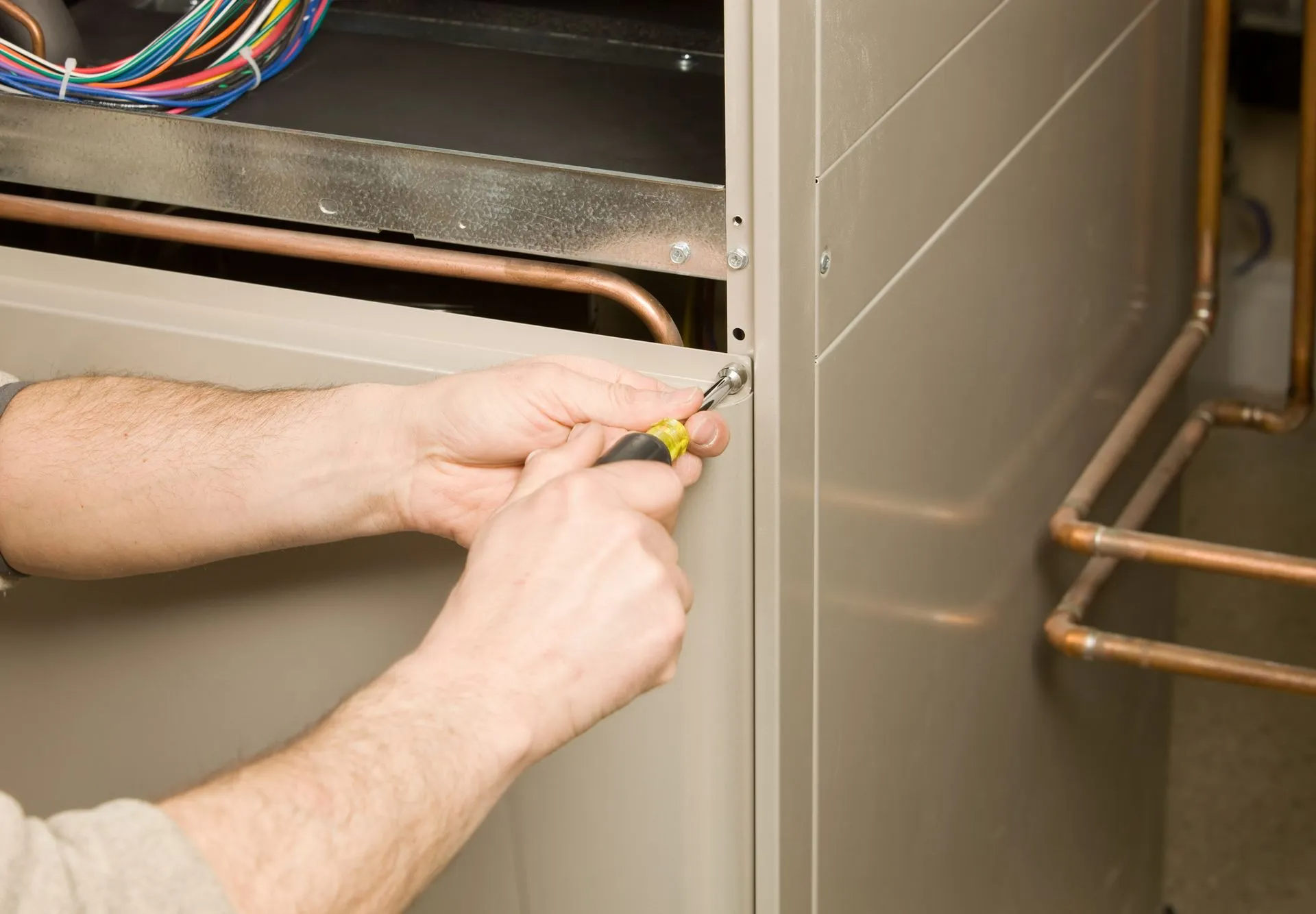

The furnace is running. Warm air is coming out of the vents. Nothing appears “broken.” Yet the indoor temperature refuses to rise — or only climbs a degree or two before stalling.
When this happens, homeowners often assume the furnace is failing or underpowered. In reality, the furnace is usually doing exactly what it’s told to do — it’s just being overwhelmed by issues elsewhere in the system or the home itself.
In this blog, I’m going to explain why some Ottawa homes stay cold even when the furnace is running, what’s really happening behind the scenes, and how I diagnose and correct these problems so the heat you’re paying for actually reaches your living space.
Why This Problem Is So Common in Ottawa
Ottawa’s winter climate is unforgiving. Long stretches of sub-zero temperatures, sudden cold snaps, wind exposure, and heavy snow place extreme demand on heating systems.
What makes this problem especially common here is that many Ottawa homes have:
- Older construction methods
- Mixed renovations over decades
- Duct systems never designed for modern furnaces
- Insulation gaps that weren’t noticeable in milder weather
- Layouts that trap heat where it’s not needed
When winter hits hard, these hidden weaknesses finally show themselves.
The First Thing I Clarify: “Running” Doesn’t Mean “Heating Effectively”
A furnace can run continuously and still fail to warm a home properly.
Running simply means:
- The thermostat is calling for heat
- The furnace is responding
It does not guarantee:
- Heat is being distributed correctly
- Airflow is adequate
- Heat is reaching living areas
- The furnace isn’t overheating or shutting itself down
- Heat loss isn’t exceeding heat production
That distinction is critical — and it’s where most diagnoses begin.
1. Heat Is Being Lost Faster Than the Furnace Can Replace It
This is the most common reason Ottawa homes stay cold.
In many cases, the furnace is producing enough heat — but the home is losing it just as fast.
Where heat loss happens most often
- Drafty windows exposed to wind
- Poorly insulated exterior walls
- Attic insulation gaps
- Cold basements pulling heat downward
- Rim joists leaking cold air
- Unsealed ductwork
- Garage-adjacent rooms
When heat loss outpaces heat production, the furnace never “catches up,” no matter how long it runs.
What homeowners notice
- Furnace runs constantly
- Thermostat never reaches set temperature
- Rooms near exterior walls stay cold
- Heating bills spike
How I diagnose it
I measure temperature differences, identify cold zones, evaluate heat loss patterns, and determine whether the furnace is fighting a losing battle.
Once heat loss is reduced, the furnace suddenly feels far more capable — without changing the unit itself.
2. Airflow Problems Prevent Warm Air From Reaching Rooms
Airflow is the delivery system for heat. If airflow is compromised, heat stays trapped in the furnace or ductwork instead of reaching your living space.
Common airflow issues I see in Ottawa homes
- Dirty or restrictive filters
- Blocked return vents
- Closed supply vents
- Furniture covering vents
- Dust buildup on blower wheels
- Undersized or poorly placed returns
- Long duct runs with pressure loss
Cold air is denser, which increases resistance in ductwork. Even small restrictions become major problems in winter.
Why this keeps homes cold
The furnace may be producing heat, but without sufficient airflow, that heat never reaches the rooms where it’s needed.
How I fix it
I measure static pressure, inspect blower performance, restore return airflow, clean internal components, and rebalance the system so warm air flows freely.
3. Overheating Causes the Furnace to Shut Itself Down Repeatedly
This one surprises a lot of homeowners.
Sometimes the furnace is heating — but it keeps shutting itself down before completing a full heating cycle.
Why this happens
- Restricted airflow
- Dirty filters
- Closed vents
- Weak blower motors
- Duct pressure issues
When internal temperatures rise too high, the furnace trips its safety controls and shuts off to protect itself.
What homeowners experience
- Warm air briefly, then cool air
- Furnace turning on and off repeatedly
- Blower running without heat
- Furnace delays restarting
- House never warms up
Why this makes the home colder
Each shutdown interrupts heat production. The furnace never runs long enough to raise the indoor temperature.
My solution
I eliminate airflow restrictions, verify temperature rise, inspect safety switches, and ensure the furnace can run continuously without overheating.
4. Poor Duct Design or Aging Ductwork
Many Ottawa homes were built decades ago, and the duct systems reflect that.
Common duct issues in older homes
- Narrow ducts not sized for modern furnaces
- Leaky joints losing heat in basements
- Long horizontal runs losing heat before reaching rooms
- Uninsulated ducts in cold areas
- Sharp turns creating airflow resistance
Why this matters
Even if the furnace produces strong heat, poorly designed or deteriorating ductwork can steal most of it before it reaches the living space.
How I diagnose duct problems
I evaluate duct layout, inspect connections, check insulation, measure airflow at vents, and identify pressure losses.
Fixing duct inefficiencies often makes a dramatic difference without touching the furnace itself.
5. Heat Is Rising to the Wrong Areas
Heat naturally rises. In many Ottawa homes, that creates major comfort problems.
Common scenarios
- Upstairs overheats
- Main floor feels cold
- Basement stays chilly
- Thermostat is satisfied upstairs while lower levels freeze
Why this keeps homes cold
The furnace shuts off when the thermostat is satisfied — even if most of the house hasn’t warmed up.
Why older Ottawa homes are prone to this
- Tall stairwells
- Open layouts
- Poor return placement
- Thermostats installed in warm zones
What I do
I assess vertical heat movement, airflow balance, and thermostat placement, then rebalance the system so heat stays where it’s needed.
6. Thermostat Issues That Mislead the Furnace
The furnace only does what the thermostat tells it to do. If the thermostat is wrong, the furnace behaves incorrectly.
Common thermostat problems
- Mounted on cold exterior walls
- Exposed to drafts
- Near heat sources
- Poorly calibrated
- Weak batteries
- Wiring or communication issues
What this causes
- Furnace shuts off too early
- Furnace runs too long
- Inconsistent heating
- Short cycling
- Cold rooms despite a “warm” reading
How I diagnose it
I test accuracy, inspect placement, verify communication with the furnace, and ensure the thermostat reflects real living-space temperature.
7. Blocked or Frozen Outdoor Furnace Vents
High-efficiency furnaces rely on outdoor intake and exhaust vents. In Ottawa winters, these are often blocked by snow or ice.
Why this keeps homes cold
Blocked vents cause:
- Ignition shutdowns
- Pressure switch failure
- Reduced combustion efficiency
- Furnace lockouts
Even partial blockage reduces heat output.
What I do
I clear vents, remove ice buildup, inspect internal piping, and ensure proper airflow — especially after storms or wind events.
8. Frozen Condensation Lines Causing Hidden Shutdowns
High-efficiency furnaces produce condensation. In Ottawa winters, that water can freeze.
What happens
- Drain lines freeze
- Condensate traps clog
- Water backs up
- Safety switches shut the furnace down
Why homeowners miss it
The issue is hidden, so it feels like the furnace “just stopped.”
How I prevent it
I clear drains, correct slopes, protect exposed lines, and ensure condensation can flow even in deep cold.
9. Blower Motors That Can’t Keep Up With Winter Demand
Blower motors don’t usually fail suddenly — they weaken over time.
Early warning signs
- Weak airflow
- Loud operation
- Furnace runs longer than usual
- Rooms never fully warm
Why winter exposes this
Long runtimes reveal motors that were already struggling.
My approach
I test motor performance, clean blower wheels, check capacitors, and adjust speed settings to restore airflow strength.
10. The Furnace Is Correctly Sized — but the House Isn’t
Sometimes the furnace is doing exactly what it was designed to do.
But changes over time — such as:
- Added square footage
- Finished basements
- Renovations
- Insulation degradation
— increase heating demand beyond what the system was originally sized for.
What homeowners experience
- Furnace runs constantly
- Home never reaches set temperature
- System feels “weak” only in extreme cold
How I handle this
Before recommending replacement, I evaluate heat loss, airflow, and distribution. Often, correcting these restores comfort without upsizing the furnace.
How I Diagnose “Furnace Running but House Cold” Problems
When I arrive at an Ottawa home with this complaint, I follow a structured process:
- Analyze heat loss patterns
- Measure airflow and pressure
- Inspect duct design and condition
- Verify blower performance
- Check for overheating shutdowns
- Inspect venting and drainage
- Test thermostat accuracy
- Evaluate vertical heat movement
- Identify cold zones
- Run a winter stress test
This approach ensures I solve the real problem — not just the symptom.
Why Furnace Replacement Is Rarely the First Answer
In most cases, replacing the furnace without fixing airflow, heat loss, or distribution problems results in the same cold-home complaint — just with a newer unit.
Addressing the system as a whole is almost always the smarter solution.
Final Thoughts
When an Ottawa home stays cold even though the furnace is running, it’s frustrating — but it’s also solvable.
The issue is rarely a single failure. It’s usually a combination of heat loss, airflow restriction, duct inefficiencies, thermostat issues, winter conditions, and system stress.
By diagnosing how heat is produced, delivered, and lost, I can restore comfort, reduce strain on the furnace, and keep homes warm through even the harshest Ottawa winters.
Cold weather is inevitable. A cold house doesn’t have to be.